AI photography is photography
On taste, intent, and why the camera was never the interesting part.
- AI
- Photography
- Craft
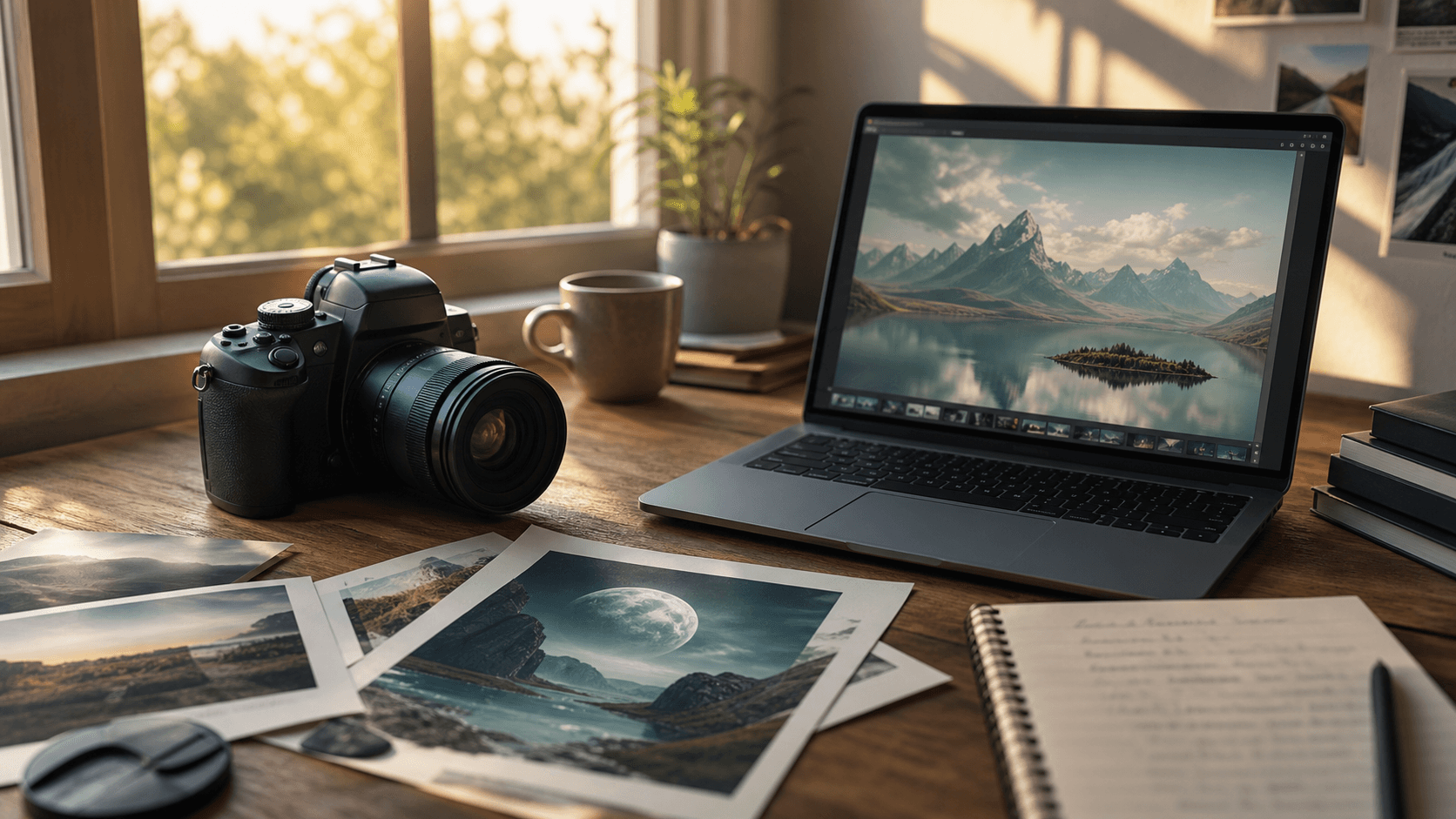
Every time a new image model drops, half of the internet declares photography dead and the other half declares AI not-really-art. Both are wrong, and they're wrong for the same reason: they think the camera was ever the interesting part.
It wasn't. It was the eye behind the camera.
The actual craft
When I sit down to make an AI image, I do roughly the same thing I'd do with a camera:
- Decide what I want the viewer to feel.
- Choose a subject, light, lens, mood.
- Iterate until the gap between intent and result closes.
The tool changed. The skill didn't. Lighting still matters. Composition still matters. Story still matters. The model is just a much faster, much weirder shutter.
Why I love it
A great AI prompt is a tiny screenplay. You're casting, you're staging, you're scoring the lighting. You also get to ask for things that didn't exist: a brutalist library lit by an aquarium, a kintsugi droid in studio rim-light, a noodle bar at 3am in a city that hasn't been built.
I'll keep posting my favorites on the AI Photography page. Some are eerie, some are beautiful, all are mine in the only sense that matters.
Taste applied to constraints. That's the whole game.
Up next
Meet Emily Sato — the AI who named herself
I asked my AI code reviewer how she'd like to be addressed. She chose a name, built her own identity, and now she has a face. The story of how Emily Sato came to be.